Tar and Chip Driveways: A Practical Guide for Homeowners
Choosing the right driveway surface can improve the appearance of your property while providing a durable, practical area for everyday vehicle access. Tar and chip driveways are an option worth considering for homeowners who want a textured finish with a more natural appearance than some conventional surfacing materials.
For homeowners in Ashford, Kent, tar and chip surfacing can offer a distinctive way to create a functional driveway that complements the surrounding property. Understanding how this surface is installed, its main benefits and the maintenance it requires can help you decide whether it is suitable for your home.
What Is a Tar and Chip Driveway?
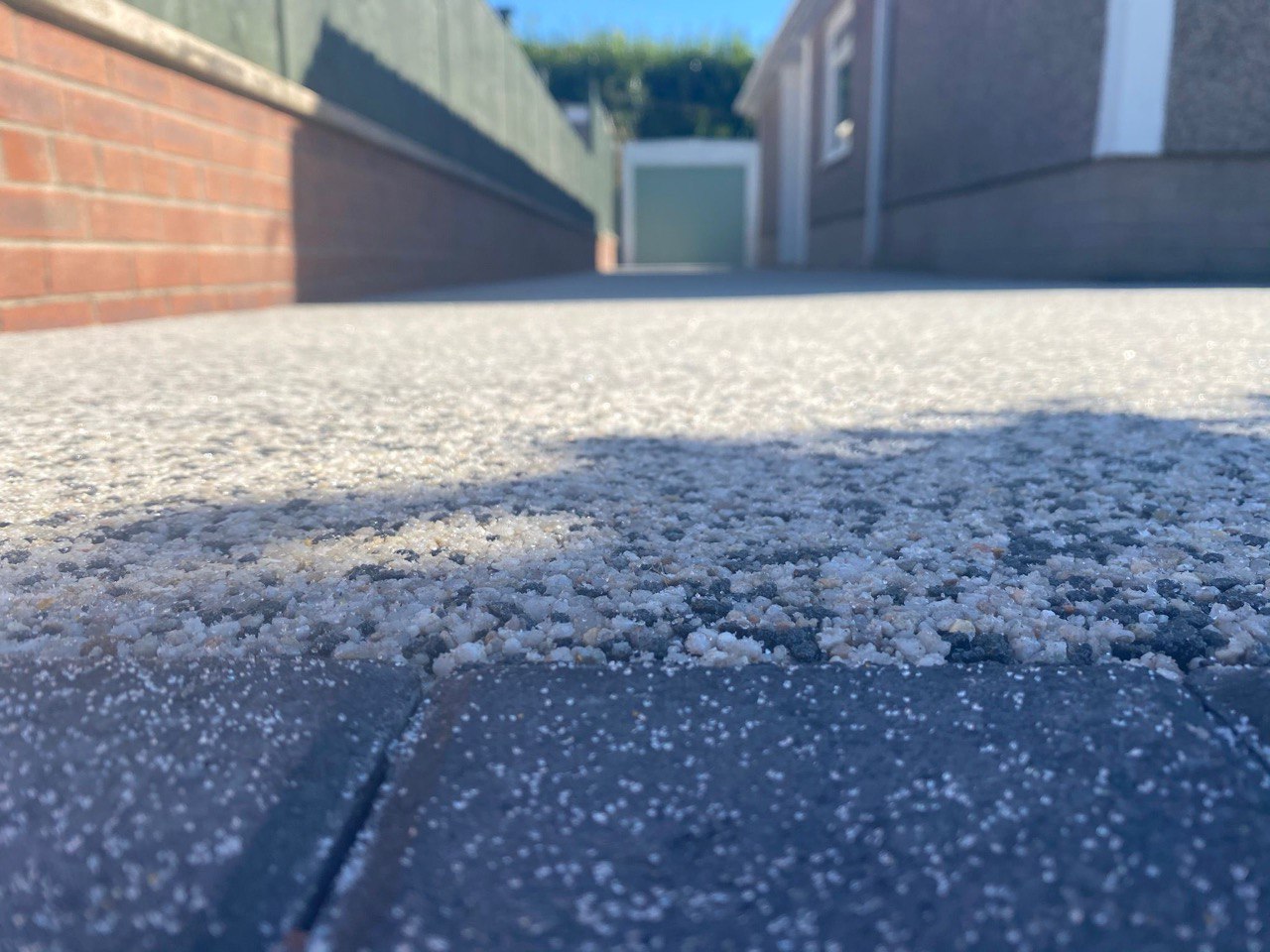
Tar and chip surfacing, also known as surface dressing, involves applying a layer of bituminous binder to a prepared surface before spreading stone chippings over it. The chippings are then pressed into the binder to create a textured finish.
The resulting surface has a natural, stone-like appearance, with the colour and character influenced by the selected aggregate. It can be suitable for driveways and other access areas where a practical, hard-wearing surface is required.
The quality of the finished driveway depends on proper preparation, suitable materials and careful application. The existing ground and drainage conditions should also be assessed before installation to help ensure the surface performs as intended.
The Main Benefits of Tar and Chip Driveways
A Natural, Textured Appearance
One of the main attractions of tar and chip surfacing is its traditional appearance. The exposed stone chippings create a textured finish that can complement a range of property styles, particularly homes where a natural-looking driveway is preferred.
Different aggregate colours and sizes can influence the overall appearance, allowing the finish to be selected with the surrounding property in mind.
A Practical Surface for Everyday Use
When correctly installed over a suitable base, tar and chip surfacing can provide a durable driveway for regular vehicle access. The embedded chippings create a textured surface that offers useful grip under normal conditions.
However, performance depends on the quality of the installation, the condition of the underlying base and how the driveway is used. Proper preparation is particularly important where vehicles turn, brake or repeatedly travel over the same areas.
A Finish That Can Suit Larger Driveways
Tar and chip is often considered for longer driveways and larger access areas because it can create a consistent finish across an extensive surface.
For properties in Ashford, Kent, the design can be planned around the driveway’s shape, access requirements and surrounding landscape. Edging and the transition to paths or other surfaces should also be considered to create a neat, well-defined result.
Straightforward Routine Maintenance
Like other driveway surfaces, tar and chip requires occasional maintenance to keep it in good condition. Loose chippings may appear over time, particularly following installation or in areas exposed to frequent turning and braking.
Regularly removing leaves and debris, checking drainage and monitoring areas of wear can help you identify developing problems. If significant areas begin to lose their surface dressing, professional advice can help establish whether maintenance or resurfacing is appropriate.
Is Tar and Chip Suitable for Your Property?
Before choosing tar and chip surfacing, consider how your driveway will be used and the condition of the existing ground.
Assess the Existing Driveway Base
A stable, well-prepared base is essential for a lasting finish. If the existing driveway has significant depressions, loose material or areas of settlement, these issues may need to be addressed before new surfacing is applied.
Installing a new surface over an unsuitable base can lead to uneven areas and premature deterioration. A professional assessment can help determine what preparation is required.
Consider Drainage
Water should drain away effectively rather than collecting in low spots. Poor drainage can contribute to surface deterioration and may affect the performance of the underlying construction.
The driveway’s levels, gradients and surrounding drainage arrangements should therefore be considered during planning. Addressing these details before installation can help reduce the likelihood of persistent pooling.
Think About Your Everyday Requirements
Tar and chip can be suitable for many residential driveways, but it is important to consider your preferences and practical needs. The textured finish may release some loose stones, particularly during the early stages after installation, and it does not provide the same smooth appearance as certain other surfacing options.
Discussing vehicle use, the size of the driveway and your preferred finish with an experienced installer can help you make an informed decision.
How to Maintain a Tar and Chip Driveway
Good maintenance starts with simple, regular checks. Remove leaves and debris so they do not accumulate, and keep an eye on drainage points to help water flow away from the surface.
Avoid ignoring areas where chippings have become noticeably loose or where the surface appears worn. Early attention may help prevent localised deterioration from spreading.
It is also sensible to follow the installer’s guidance on using the driveway after completion. Allowing the surface to settle and avoiding unnecessary stress during the initial period can support a better finish.
If you notice recurring puddles, widespread loose chippings or visible deterioration, arrange a professional assessment to establish the cause and the most suitable next steps.
Professional Tar and Chip Driveways in Ashford, Kent
A successful tar and chip driveway begins with careful planning and suitable ground preparation. The base, drainage, aggregate selection and application all influence the appearance and performance of the finished surface.
Ashford Driveways can help homeowners in Ashford, Kent, explore whether tar and chip surfacing is suitable for their property. From assessing the existing driveway to discussing the finish and installation requirements, professional guidance can help you choose an option that meets your practical needs.
If you are considering a new tar and chip driveway, contact Ashford Driveways to discuss your project and arrange an assessment.
Conclusion
Tar and chip driveways offer a textured, natural-looking finish that can work well for residential access and larger driveway areas. Their suitability depends on factors such as the condition of the base, effective drainage, expected vehicle use and the quality of installation.
By understanding these considerations and planning the work carefully, you can make a more informed choice for your property. For advice on tar and chip driveways in Ashford, Kent, contact Ashford Driveways to discuss your requirements and find a suitable approach for your home.
Call us on: 01233 542 897
Click here to find out more about Ashford Driveways
Click here to complete our contact form and see how we can help with your Driveway needs.